
Protein & Muscle Growth: 5 Science-Backed Reasons It’s Your Superpower
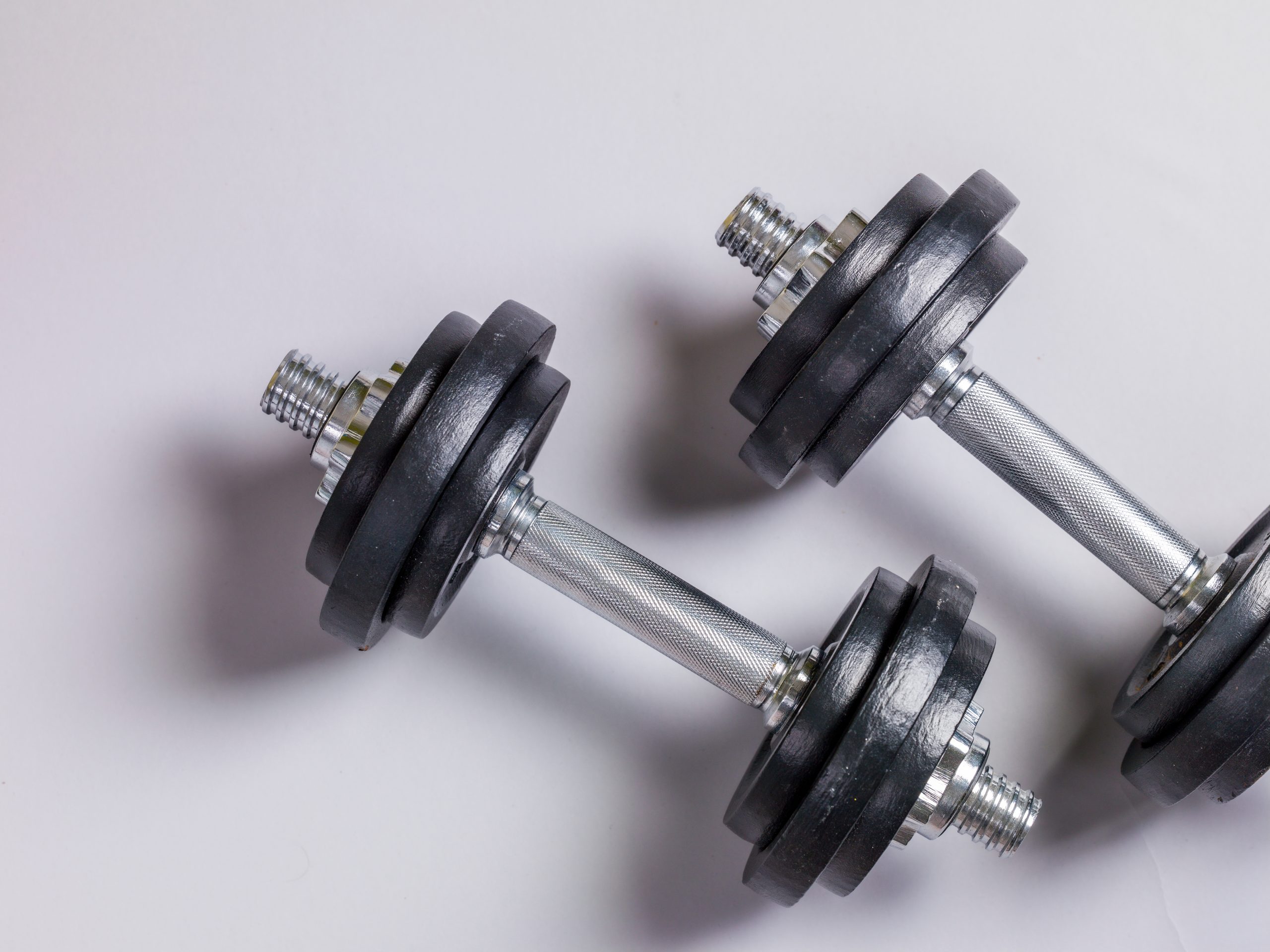
Protein muscle growth — it sounds like something only bodybuilders care about.
But here's the truth: whether you're a gym regular, a lunch-break runner, or someone who just wants to feel strong carrying groceries up four flights of stairs, understanding how protein fuels muscle growth is one of the most useful things you can do for your body.
And yet, most of what the fitness industry tells you about protein muscle growth is either oversimplified, outdated, or trying to sell you something in a shiny wrapper. We figured it was time to set the record straight. With actual science. The kind published in peer-reviewed journals, not on the back of a supplement tub.
Let's break down the five real, science-backed reasons protein is your body's ultimate building material.
Table of Contents
1. Protein Literally Builds Your Muscles — at the Molecular Level
This isn't a metaphor. When you lift weights, run, or do any form of resistance exercise, you create tiny micro-tears in your muscle fibers. Sounds dramatic, but it's completely normal — and it's exactly how your body gets stronger.
Here's where protein steps in: your body uses amino acids (the building blocks of protein) to repair those micro-tears and lay down new muscle tissue. Scientists call this process muscle protein synthesis, or MPS for short.
A landmark meta-analysis by Morton et al. (2018), published in the British Journal of Sports Medicine, analyzed 49 studies with 1,863 participants. The conclusion? Protein supplementation combined with resistance training significantly increases both muscle mass and strength compared to training alone.
Think of it like this: exercise is the architect, but protein is the actual bricks, mortar, and construction crew. Without enough protein, your muscles get the blueprint but never finish the renovation. That's why protein muscle growth is a partnership — you need both the training stimulus and the raw materials.
How much protein do you actually need?
The science is pretty clear on this one. According to the International Society of Sports Nutrition Position Stand:
- General RDA (for sedentary adults): 0.8 g per kg of body weight per day — just enough to avoid deficiency
- For active people aiming for muscle growth: 1.6–2.2 g per kg per day
- The sweet spot for most gym-goers: around 1.6 g/kg/day — research shows diminishing returns above this threshold for most people
For a 75 kg person, that's roughly 120 g of protein per day. Not an insane amount, but it does require some intention.
2. The Post-Workout Window Is Real (But Wider Than You Think)
ou've probably heard someone in the locker room panic about missing their "anabolic window." That magical 30-minute post-workout period where, allegedly, your muscles will literally evaporate if you don't chug a protein shake.
Good news: science says you can relax a little.
A meta-analysis by Schoenfeld et al. (2013), published in the Journal of the International Society of Sports Nutrition, reviewed 23 studies and found that while there is a benefit to consuming post-workout protein relatively soon after exercise, the window is much wider than the old-school 30-minute myth suggests.
The real takeaway from the research: if you ate a meal containing protein within about 3–4 hours before your workout, your body still has amino acids circulating and available for recovery. The anabolic effects of a mixed meal can last up to 6 hours.
But — and this is a big but — if you train fasted (say, first thing in the morning on an empty stomach), getting protein in sooner rather than later does matter more. In that scenario, aim for a high-protein snack within about an hour after training.
What the science really says about timing
- Total daily protein intake matters most — this is the #1 factor for protein muscle growth
- Post-exercise protein helps, but it's part of the picture, not the whole frame
- A fresh, protein-rich snack after the gym is a smart habit, not a life-or-death deadline
So yes, grab that post-workout protein. Just don't have a meltdown if it takes you 45 minutes instead of 20.
3. Leucine: The Amino Acid That Drives Protein Muscle Growth
Not all amino acids are created equal. Among the 20 amino acids your body uses, one stands out as the VIP of muscle growth: leucine.
Leucine is a branched-chain amino acid (BCAA) that directly activates the mTOR signaling pathway — essentially the master switch that tells your cells to start building muscle protein. Research by Norton & Layman (2006), published in The Journal of Nutrition, demonstrated that leucine is the primary dietary factor regulating the initiation of muscle protein synthesis after exercise.
A study published in Medicine & Science in Sports & Exercise found that consuming just 23 g of protein with about 3–5 g of leucine after exercise achieved near-maximal rates of muscle protein synthesis. Tripling that dose didn't meaningfully increase the response.
Translation: you don't need massive quantities — you need the right protein sources that are naturally rich in leucine to support protein muscle growth.
Top leucine-rich foods for muscle recovery
- Greek yogurt / kvarg: approximately 2–3 g of leucine per serving (200 g)
- Eggs: ~1.1 g leucine per egg
- Chicken breast: ~2.5 g leucine per 100 g
- Cottage cheese: ~1.6 g leucine per 150 g
- Whey protein: ~3 g leucine per 25 g serving
Here's where dairy-based protein sources like kvarg and Greek yogurt have a natural advantage. They deliver a leucine-rich amino acid profile in a whole-food format — no long ingredient list, no artificial sweeteners, no wrapper to throw away. This is exactly why we chose Swedish dairy as the foundation for our YUMO Pro parfait bowls.
4. Whole Food Protein Beats Ultra-Processed Every Time
Let's talk about what you're actually putting in your body.
A 2018 research paper in Nutrients examined how whole food protein sources compare to isolated supplements for post-exercise recovery. The finding? Protein from whole foods — like dairy, eggs, and nuts — comes packaged with additional nutrients (calcium, healthy fats, fiber, vitamins) that support overall muscle recovery food needs, not just muscle building.
Here's what makes whole food protein different for muscle growth:
- Slower, more sustained digestion: whole food protein sources peak in amino acid delivery around 60–120 minutes after eating, providing a prolonged anabolic response
- Additional micronutrients: calcium from dairy supports bone health; nuts provide healthy fats and vitamin E
- No sugar alcohols or artificial additives: a common complaint about protein bars is bloating, GI discomfort, and artificial taste — issues that simply don't exist with real food
A 2024 report noted that 28% of consumers actively avoided high-protein snack bars due to concerns about bloating and digestive discomfort from sugar alcohols. That's almost one in three people saying "no thanks" to the very product that's supposed to help them recover.
Fresh vs. processed: a quick comparison
| Fresh protein bowl (yogurt + nuts + berries) | Typical protein bar | |
| Ingredients | 5–8 whole foods | 20–30+ (many unpronounceable) |
| Protein | 16–25 g | 20–22 g |
| Sugar alcohols | None | Often 5–15 g |
| Fiber | 3–5 g (from nuts, oats, berries) | Usually minimal or added artificially |
| Customizable | Yes — choose your base, toppings, extras | No — what you see is what you get |
| How you feel after | Energized, satisfied | Often bloated, still hungry |
The takeaway isn't that protein bars are evil. They have their place. But for a regular, daily high-protein snack habit — especially for post-workout protein — fresh, whole-food protein is simply a better deal for your body and your protein muscle growth goals.
5. Protein Muscle Growth Isn't Just for Gym Bros — It's for Everyone
There's a persistent myth that high-protein eating is only relevant if you're trying to look like a superhero. But the science tells a very different story.
For active people of all kinds:
The research from Morton et al. and the ISSN Position Stand is clear — protein for muscle building combined with resistance exercise increases lean body mass and strength across age groups, genders, and fitness levels. This isn't just for bodybuilders. It's for the 30-year-old who runs three times a week. The 55-year-old who wants to stay strong. The university student who bikes everywhere and wants more energy.
For healthy aging:
A 2025 systematic review in BMC Geriatrics examined protein supplementation in older adults and found that adequate protein intake (1.2+ g/kg/day) combined with physical activity helps preserve muscle mass — a critical factor in maintaining independence and quality of life as we age.
For weight management:
Protein is the most satiating macronutrient. Research consistently shows that higher protein intake helps control appetite, reduces snacking on empty-calorie foods, and supports body composition improvements even without strict calorie counting.
For gut health:
Fiber-rich protein combinations — like yogurt with oats, seeds, and berries — support both muscle recovery and digestive health. The Swedish Food Agency (Livsmedelsverket) recommends 25–35 g of fiber per day, yet most Swedes fall short.
You don't need to become a macro-tracking obsessive. But making sure you're getting enough quality protein throughout the day — especially around exercise — is one of the simplest, most science-supported ways to fuel protein muscle growth at any age.
So What Does the Ideal Post-Workout Protein Snack Look Like?
Based on everything the science tells us, the perfect muscle recovery food should be:
- 20–25 g of protein (hitting that leucine threshold of ~2.5–3 g)
- Whole-food based — real ingredients you recognize
- Low in added sugar — your muscles need amino acids, not a sugar rush
- Some fiber — for satiety and digestive health
- Quick and convenient — because you're not going to meal-prep at the gym
A fresh yogurt-based parfait with nuts, berries, and seeds checks every single one of those boxes. It's what sports nutritionists have been recommending for years — and it's exactly what YUMO Pro stations are designed to deliver in 60 seconds, right where you need it: at the gym, at the office, at uni.
No long ingredient lists. No wrapper. No bloating. Just real food, built for real protein muscle growth and recovery.
At YUMO Pro, we believe healthy eating should be fresh, fast, and actually enjoyable. Our self-serve parfait stations deliver customizable, high-protein bowls made with Swedish dairy, real toppings, and zero nonsense — in under 60 seconds. Find a station near you.
FAQ
How much protein do I need per day for protein muscle growth?
Research published in the British Journal of Sports Medicine shows that 1.6 g of protein per kilogram of body weight per day is the threshold for optimal muscle growth when combined with resistance training. Some individuals, particularly advanced athletes, may benefit from up to 2.2 g/kg/day. For a 70 kg person, that means roughly 112–154 g of protein daily, spread across meals and snacks.
Is there really a post-workout anabolic window?
Yes, but it's wider than most people think. While consuming post-workout protein does support muscle protein synthesis, research shows the "window" extends several hours — not just 30 minutes. The most important factor is your total daily protein intake. That said, if you train on an empty stomach, getting a high-protein snack in within an hour post-workout is a smart move for muscle recovery.
What's better for muscle recovery — a protein bar or fresh protein like yogurt?
From a nutritional standpoint, whole-food protein sources like Greek yogurt or kvarg deliver comparable protein (20–25 g per serving) with the added benefits of naturally occurring leucine, calcium, and probiotics — without the sugar alcohols and artificial additives that can cause bloating. Research in Nutrients supports the superior bioavailability of whole-food protein for post-exercise recovery.
Why is leucine important for muscle building?
Leucine is the key amino acid that activates the mTOR signaling pathway — your body's main trigger for starting muscle protein synthesis. Research shows that consuming 2.5–3 g of leucine per meal is needed to maximally stimulate this process. Dairy protein sources like kvarg, Greek yogurt, and whey are naturally rich in leucine, making them excellent choices for protein muscle growth and recovery.
Ready to
power up?
Contact Info
m@yumo-pro.com